
Blog
Frequently Asked Questions about Matcha

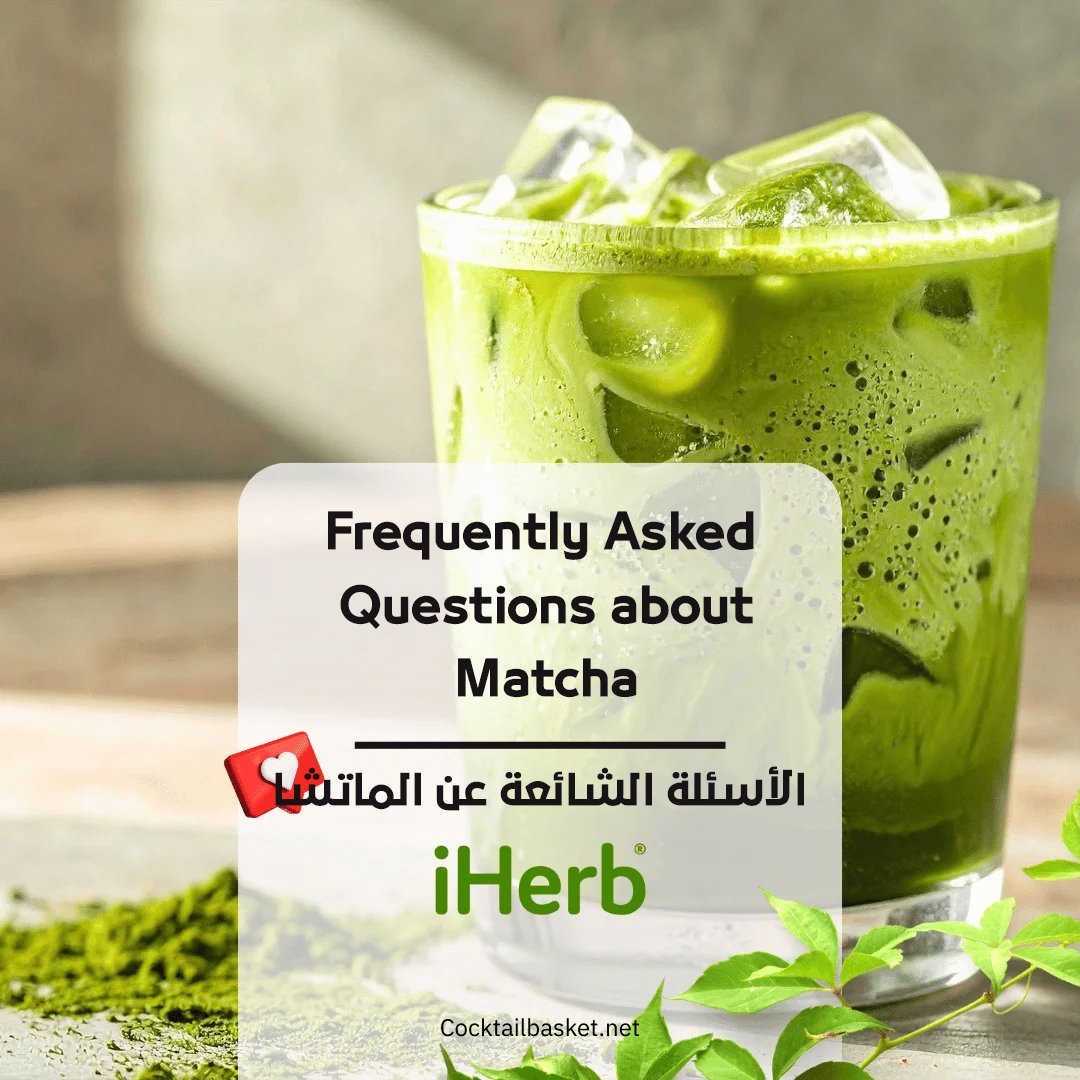
Are you looking for a drink that gives you clear mental focus, smooth energy, and a powerful boost of antioxidants?
Matcha might be the answer! This vibrant emerald-green powder, made from Japanese green tea, has gained worldwide popularity not only for its unique flavor but also for its special combination of caffeine, L-theanine, and antioxidant compounds. Together, these components provide a feeling of calm alertness that can be ideal for work, studying, or starting your day.
In this article, we’ll explain what matcha is and answer the most common questions about it in a simple and practical way, helping you decide whether adding matcha to your routine is the right choice for you.
What Is Matcha?
Matcha is a form of green tea that is carefully grown, processed, and stone-ground into a fine powder. Unlike regular green tea, where the leaves are steeped and discarded, matcha allows you to consume the entire tea leaf in powdered form.
Because of this, matcha contains a higher concentration of natural compounds such as catechins (especially EGCG), L-theanine, and caffeine. This gives it stronger potential benefits compared to a regular cup of green tea.
Frequently Asked Questions About Matcha
1. What’s the Difference Between Matcha and Regular Green Tea?
Matcha is consumed in powdered form, meaning you ingest the whole leaf. As a result, it contains more concentrated tea compounds, offering higher antioxidant levels, richer flavor, and more focused energy with a calming effect thanks to L-theanine.
2. What Are the Potential Health Benefits of Drinking Matcha Regularly?
Matcha may help support:
- Improved attention and focus
- Reduced mild stress
- Heart health and metabolic support, partly due to catechins such as EGCG
Some studies on green tea supplements have shown potential improvements in cholesterol and blood sugar markers in certain participants. However, the benefits depend on dosage, duration, and individual health conditions.
3. How Does the Combination of Caffeine and L-Theanine Work?
L-theanine, naturally found in tea, helps promote relaxation and may reduce feelings of mild anxiety. When combined with caffeine, it creates what many describe as “calm alertness” — increased energy and concentration without excessive jitters or nervousness.
This is one reason why many people prefer matcha for focused work or studying.
4. What Is the Safe Daily Amount of Matcha?
A common daily serving ranges from half to one teaspoon (approximately 1–2 grams) per cup. Some people consume more, up to 2–3 grams daily, depending on their tolerance.
Since matcha contains caffeine (with varying amounts depending on quality and preparation), it’s best to start with a smaller serving and monitor how your body responds, especially if you are sensitive to caffeine.
5. Is Matcha Helpful for Weight Loss?
Some green tea research suggests moderate effects on fat oxidation and metabolic support. However, matcha is not a quick-fix weight loss solution. It works best when combined with a balanced diet and regular physical activity.
6. What’s the Difference Between “Ceremonial” and “Culinary” Matcha?
Yes, there is a difference:
- Ceremonial Matcha: Higher quality, smoother taste, and ideal for drinking on its own.
- Culinary Matcha: Stronger flavor and better suited for smoothies, baking, desserts, and recipes.
Choose ceremonial-grade matcha for a smoother daily drinking experience, and culinary-grade matcha for cooking or baking.
7. Does Matcha Contain Powerful Antioxidants? What Does That Mean for My Skin and Health?
Yes, matcha is rich in catechins, especially EGCG, which are antioxidants known for their anti-inflammatory properties. They may help support cellular health and potentially reduce the risk of certain chronic diseases over time.
A balanced diet that includes antioxidant-rich foods like matcha may also contribute to healthier-looking skin. However, results vary from person to person and depend on overall lifestyle and nutrition.
8. Can I Add Matcha to Recipes Like Smoothies, Yogurt, or Baked Goods?
Absolutely! Matcha is highly versatile in the kitchen. You can mix it into:
- Smoothies
- Oatmeal
- Yogurt
- Pancake or cake batter
- Desserts and baked goods
For cooking and baking, culinary-grade matcha is usually the best option because of its stronger flavor profile.
Matcha Powder from iHerb
Matcha is a unique drink that combines gentle mental alertness with antioxidant benefits, and it can easily become part of your daily routine in many enjoyable ways. Start with small servings to understand how your body responds, and choose the type of matcha that best suits your needs.
If you’d like to try a trusted ready-made product, California Gold Nutrition offers an organic matcha powder available through iHerb. A commonly recommended serving is one teaspoon (approximately 2 grams) daily, mixed with hot or cold water. It can also be added to smoothies and recipes. One container provides approximately 57 servings.
To order matcha powder from iHerb, use the following link: Matcha from iHerb
Medical References