Blog
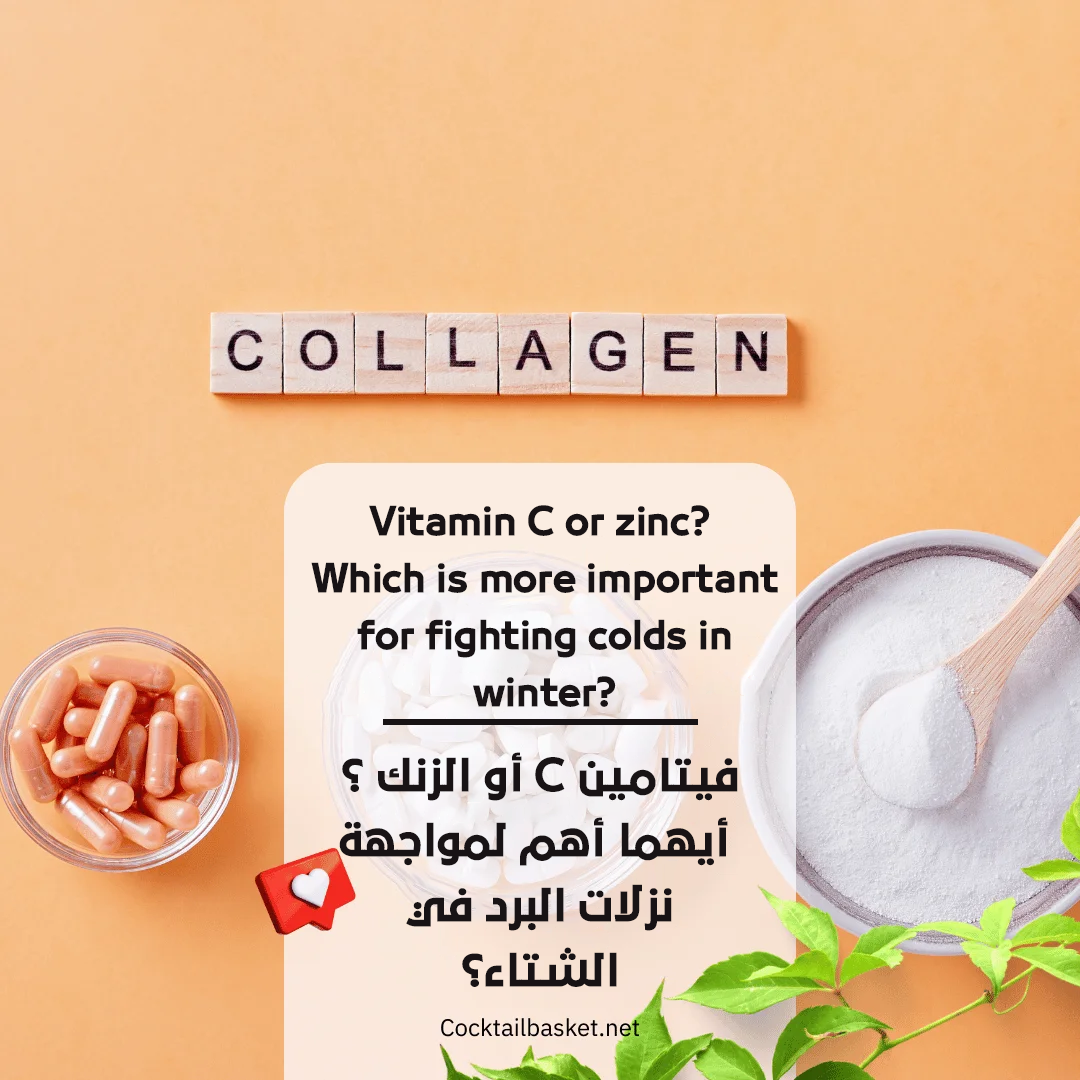
Vitamin C or zinc? Which is more important for fighting colds in winter?

Before we start explaining which is more important in fighting winter colds, please answer these questions first:
-
Do you regularly take Vitamin C supplements or zinc tablets during winter?
-
When the first cold symptoms appear (runny nose / common cold), do you start taking supplements immediately?
If your answer is “yes” to one or more questions, we will explain when each nutrient is useful and what the latest scientific evidence says.
First: Vitamin C
What is Vitamin C?
Vitamin C (ascorbic acid) is a water-soluble vitamin essential for collagen formation, immune system function, and antioxidant activity in the body. The body does not store large amounts of it, so it must be consumed regularly through diet or supplements.
How Does Vitamin C Work?
Vitamin C plays a dual role:
-
Acts as a powerful antioxidant, protecting cells from oxidative damage.
-
Supports immune function by enhancing phagocyte activity, cellular differentiation, and cytokine regulation.
It may also influence the body’s ability to resist viral infections, including common cold viruses.
Second: Zinc
What Is Zinc?
Zinc is an essential mineral found in every cell of the body. It is crucial for the activity of hundreds of enzymes, immune system maintenance, and tissue repair. Although needed in small daily amounts, zinc deficiency can lead to immune and developmental problems.
How Does Zinc Work?
Zinc supports immune cell function, plays a role in protein and DNA synthesis, and aids wound healing.
When taken as a supplement, zinc releases zinc ions in the mouth and throat, which may inhibit certain viruses and reduce throat irritation.
Which Is Better for Fighting the Common Cold?
-
Vitamin C:
Regular daily intake at specific doses may slightly reduce the duration of cold symptoms (around 7–10% according to some reviews). The effect appears stronger in people exposed to intense physical stress. -
Zinc:
Well-formulated zinc supplements taken at doses ≥75 mg/day may significantly shorten the duration of cold symptoms (some reviews suggest a ~30–40% reduction), provided supplementation starts early.
Practical Tips for Winter Vitamins and Supplements
1. Focus on food first:
Foods rich in Vitamin C (citrus fruits, bell peppers, kiwi, broccoli) and zinc sources (meat, shellfish, legumes, nuts) form the foundation of immune health.
2. Choose the right daily supplements:
For zinc supplements:
Review a product specifically designed for zinc supplementation and start with appropriate daily doses.
View product details via the following link:
Zinc Supplement for Adults
For Vitamin C:
Start with moderate daily Vitamin C supplementation to support immunity.
View product details via the following link:
Vitamin C Supplements for Adults
Which Supplement Should You Choose for This Winter?
Looking for a practical approach at the first sign of a cold? Here are two smart, actionable options:
If you want a noticeable reduction in cold duration (therapeutic option at symptom onset):
Try zinc supplements and start daily dosing early.
Avoid taking high doses daily for long periods without medical supervision.
View product details:
Zinc Supplement
If you want simple daily immune support and overall health:
Try Vitamin C supplements at a daily dose of ≈75–200 mg, while ensuring not to exceed 2000 mg per day.
View product details:
Vitamin C Supplements for Adults