
Blog
Charcoal toothpaste from iHerb

Why Charcoal Is Used in Toothpaste
Charcoal has become a popular ingredient in toothpaste because many people seek a way to achieve a fresh, clean feeling while gently removing surface stains caused by coffee, tea, and daily habits. Charcoal-based formulas often rely on abrasive or adsorptive properties to clean the tooth surface, making them appealing to those who want a different oral care routine and a brighter appearance.
How Charcoal Works in Toothpaste
The main idea is not that charcoal “whitens” teeth internally, but rather that it may help remove surface stains on enamel thanks to its mild abrasiveness. Dental sources explain that whitening toothpastes generally depend on abrasives to eliminate external discoloration. Reviews of charcoal toothpaste suggest its effect on internal tooth color is limited, and caution is advised since excessive abrasiveness could weaken enamel.
Advantages of Charcoal Toothpaste
- Clean feeling: Users often report a strong sense of cleanliness after brushing.
- Surface stain removal: Suitable for those who want help with coffee or tea stains.
- Fresh breath: Many formulas include mint for a refreshing taste.
- Natural appeal: Often marketed as free from artificial colors or flavors.
That said, the whitening effect is usually limited compared to professional treatments, and charcoal toothpaste should not replace daily dental care essentials.
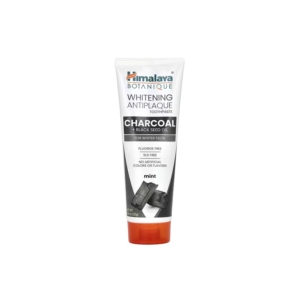
Himalaya Whitening Antiplaque Toothpaste, Charcoal (iHerb)
What’s Inside?
Its formula includes:
- Charcoal powder (from coconut shell)
- Nigella sativa (black seed) oil
- Common toothpaste bases: glycerin, xylitol, hydrated silica, calcium carbonate, zinc citrate, sodium bicarbonate
- Herbal extracts: neem, fruit, and plant-based components
This blend combines cleaning, freshness, and botanical elements that appeal to natural-product enthusiasts.
Why It Might Appeal to You
- Offers daily cleaning with a minty flavor and surface whitening sensation
- Free from fluoride, SLS, artificial colors, and flavors
- Marketed as using coconut-shell charcoal for whitening power and black seed extract for nourishment
The brand recommends brushing after meals or at least twice daily to fight plaque.
Important Note on Fluoride
If your main goal is cavity prevention, dental guidelines still recommend fluoride toothpaste twice daily, since fluoride strengthens enamel and reduces decay risk. This Himalaya charcoal toothpaste may suit those who prefer a fluoride-free, natural option, but it should be part of a balanced oral care routine that includes regular dentist visits.
Final Thought
Charcoal toothpaste combines visual appeal with a practical sense of cleanliness, which explains its popularity. For those who enjoy natural flavors and refreshing mint, Himalaya Whitening Antiplaque Toothpaste Charcoal + Black Seed Oil Mint offers a distinctive formula. Just remember: the best smile comes from a complete routine — gentle brushing, consistent care, and professional checkups.