Did you know that a single vitamin can influence blood health, heart health, and even fetal development?
Folic acid is the synthetic form of vitamin B9 (folate) and is one of the most widely used dietary supplements—especially among women who are planning pregnancy or are in the early stages of it.
This vitamin plays a vital role in red blood cell formation, helps reduce developmental problems in the fetus, and contributes to several other essential bodily functions.
In this article, we answer the most common questions about folic acid supplements.
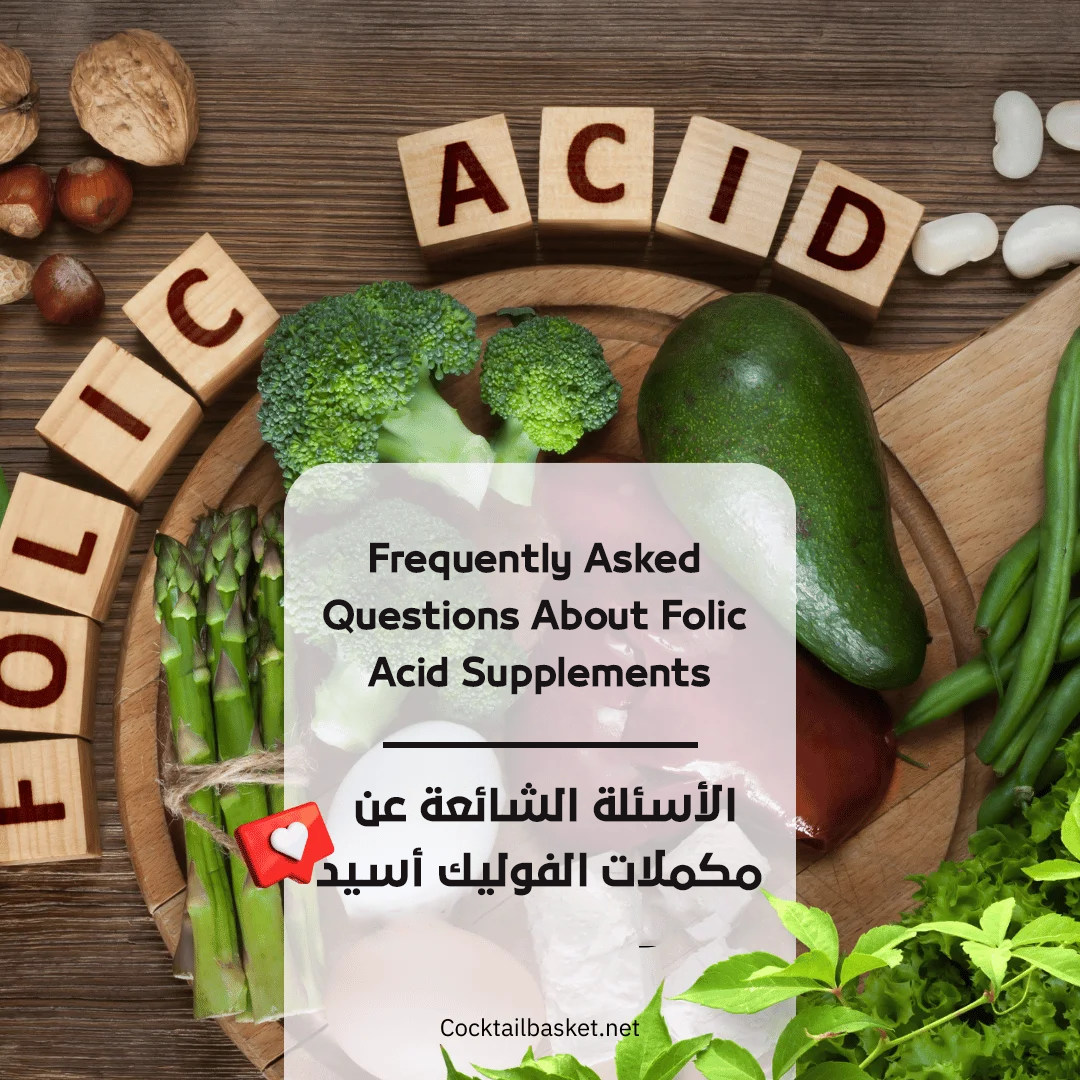
Frequently Asked Questions About Folic Acid Supplements
1- What is a folic acid supplement?
Folic acid is the synthetic form of vitamin B9 (folate) used in dietary supplements and fortified foods because it is highly bioavailable. It supports DNA synthesis and the production of healthy red blood cells.
2- Why is folic acid important?
Folic acid plays a key role in cell growth and division and in the formation of red blood cells, helping to prevent folate-deficiency anemia.
3- What are the benefits of folic acid supplements?
Folic acid supplements may help to:
-
Reduce the risk of neural tube defects in the developing fetus
-
Prevent folate-deficiency anemia
-
Lower elevated homocysteine levels, which may reduce the risk of stroke and cardiovascular disease
4- Who needs folic acid supplements?
Individuals with low dietary folate intake, people with conditions that impair nutrient absorption, and—most importantly—women of childbearing age and pregnant women are among those who may benefit most.
5- What is the recommended daily dose of folic acid?
For most adults, the recommended intake is about 400 micrograms (mcg) per day.
For pregnant women or those planning pregnancy, the dose typically increases to 600–800 mcg per day.
6- Can I get enough folic acid from food alone?
Yes. Folate is found in foods such as leafy green vegetables, legumes, citrus fruits, and fortified grains. However, in some cases, diet alone may not be sufficient, and supplementation is recommended.
7- Does folic acid help with pregnancy?
Yes. Taking folic acid supplements before conception and during the early months of pregnancy significantly reduces the risk of birth defects of the brain and spinal cord (neural tube defects).
8- Is folic acid beneficial for heart health?
Research suggests that folic acid supplements can help lower homocysteine levels in the blood, a factor associated with an increased risk of heart disease and stroke.
9- Does folic acid support neurological health and mood?
Folate deficiency has been linked to a higher risk of depression and cognitive impairment. Some studies indicate that folic acid may support mental health when a deficiency is present.
10- What are the symptoms of folic acid deficiency?
Folate deficiency may cause:
-
Fatigue and weakness
-
Difficulty concentrating
-
Headaches
-
Mouth sores
-
Symptoms of anemia
11- Is folic acid suitable for everyone?
In general, folic acid supplements are safe when taken at recommended doses. However, it is advisable to consult a healthcare provider before starting supplementation, especially for individuals with medical conditions or those taking long-term medications.
12- Are folic acid supplements beneficial for men?
Yes. Vitamin B9 is important for everyone, as it supports red blood cell production. Some studies also suggest a link between healthy folate levels and sperm health in men, although the evidence is not yet conclusive.
13- What is the best time to take folic acid supplements?
This depends on personal routine. Folic acid is often taken with a meal to minimize stomach discomfort, but the most important factor is consistent daily intake at the recommended dose.
14- How do I choose a good folic acid supplement?
On our website, we offer internationally certified folic acid supplements. You can view detailed product information through the following link: Folic Acid Supplements.
Final Notes
Folic acid supplements are closely linked to blood health, cell growth, and healthy pregnancy outcomes, and they are safe when used at recommended doses. If you belong to a group at higher risk of deficiency—such as women of childbearing age or individuals with unbalanced diets—these supplements can be an important part of a healthy routine.
Always consult your healthcare provider before starting a new supplement, especially if you take medications or have specific medical conditions.
Medical References: