
Blog
Most Important Dietary Supplements for Older Adults

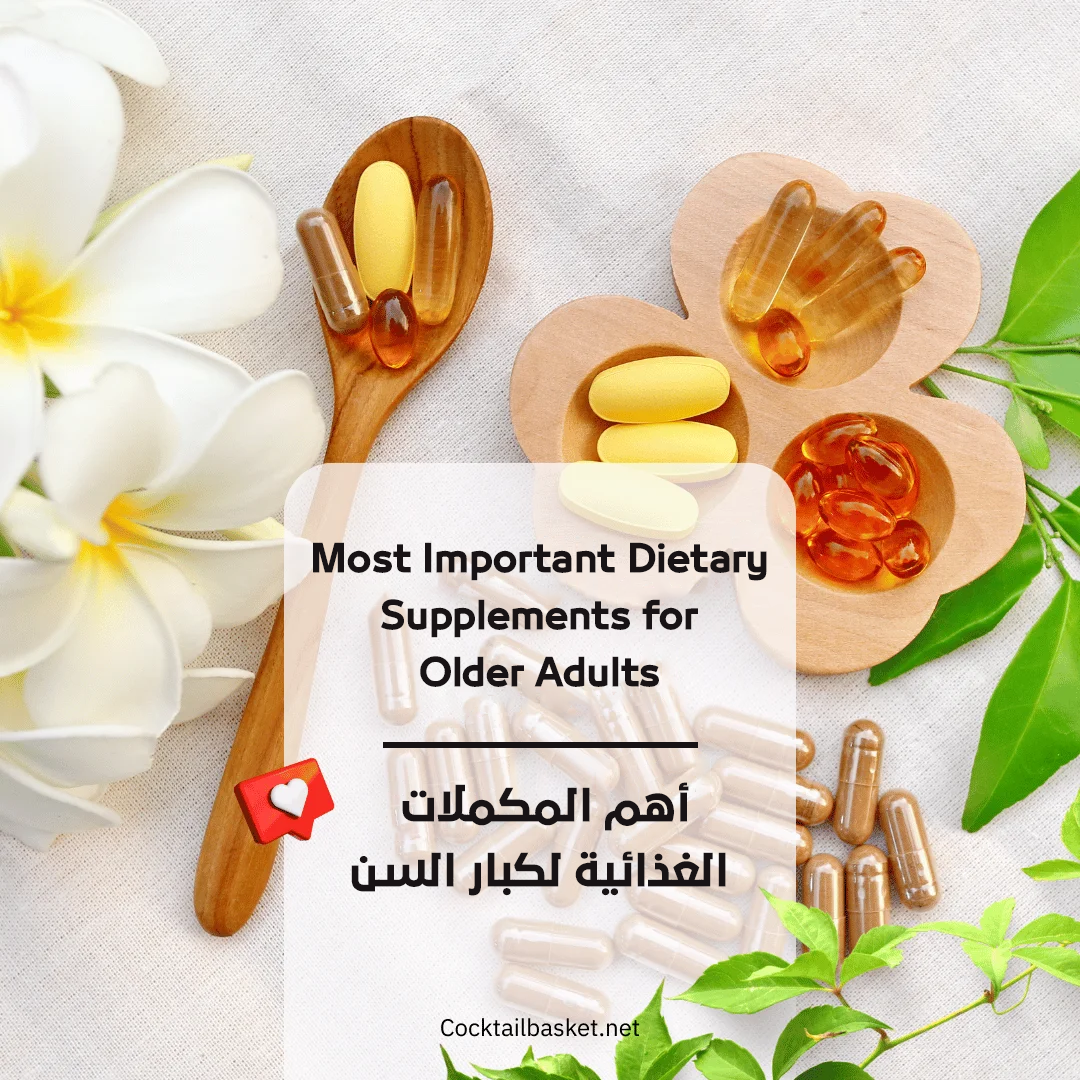
With aging, the body’s nutritional needs change: the absorption of some nutrients tends to decline, while the need for high-quality protein, vitamins, and minerals that support bone health, the nervous system, and immunity increases.
Therefore, dietary supplements can become a useful tool—not as a replacement for healthy food, but as a supportive option to correct confirmed deficiencies and reduce the risk of complications associated with nutrient deficiencies in older adults. In cases of malnutrition or illness related to poor nutritional status, supplements may play an important role and improve health outcomes.
Important note: These recommendations vary from person to person. Before starting any supplement, request medical tests (such as vitamin D levels, iron status, or vitamin B12 levels) and consult your doctor or pharmacist to determine appropriate doses and check for potential drug interactions.
Most Important Dietary Supplements for Older Adults
1- Vitamin D
Why it matters:
Vitamin D supports calcium absorption, bone and muscle health, and plays a role in immune function. Vitamin D deficiency is common among older adults, especially those with limited sun exposure or who live in colder or indoor environments.
To explore Vitamin D supplements: Vitamin D supplements for adults
What do guidelines say?
Some organizations recommend a daily supplement (e.g., 10 micrograms = 400 IU) for prevention in adults in certain countries, while others recommend higher doses for older adults or those over 70 years of age (e.g., 800 IU), depending on test results and individual needs.
2- Calcium
Why it matters:
Calcium is essential for building and maintaining bone density and preventing osteoporosis with age. It is generally recommended to meet daily calcium needs through diet first, then consider supplements if intake is insufficient.
To explore calcium supplements: Calcium supplements for adults
Note:
Supplements may be important for individuals at risk of osteoporosis or with dietary deficiencies. Follow recommended doses and consult your doctor or pharmacist.
3- Vitamin B12
Why it matters:
Vitamin B12 is essential for nerve health, red blood cell production, and cognitive function. Older adults are at higher risk of deficiency due to reduced stomach acid or the use of acid-suppressing medications.
Practical recommendation:
Check B12 levels if symptoms such as fatigue, numbness, memory issues, or anemia appear. Deficiency is often corrected with oral vitamin B12 supplements.
4- Iron
Why it matters:
Iron is essential for oxygen transport (hemoglobin). Iron deficiency or low ferritin levels can cause fatigue and weakness and may reduce physical capacity in older adults, particularly postmenopausal women or those with chronic blood loss.
When should it be taken?
Only after laboratory testing (hemoglobin and iron studies) and identifying the cause of deficiency, as unnecessary iron supplementation can cause side effects and health risks.
5- Zinc
Why it matters:
Zinc plays a role in wound healing, immune function, and taste perception. Deficiency may lead to reduced appetite and weakened immunity. Older adults at risk of malnutrition may benefit from monitoring and correcting zinc levels.
To explore zinc supplements: Zinc supplements for adults
Caution:
Long-term high doses may interfere with copper absorption and cause health issues. Balance is essential.
6- Omega-3 (EPA & DHA)
Why it matters:
Omega-3 fatty acids may benefit heart health, reduce inflammation, and support brain health in older adults. They are commonly derived from fish oil or plant-based alternatives (algae) for vegetarians. Some studies show benefits for cardiovascular and inflammatory risk factors, though evidence varies by condition and dosage.
When to consider them?
If dietary intake of fatty fish is low.
7- Other B Vitamins and Folate (B-Complex & Folate)
Why they matter:
B vitamins support metabolism, energy production, and nerve health. Deficiencies may cause fatigue and neurological symptoms. Folate and vitamin B6 may be particularly important in certain cases, but appropriate balance and dosing are key.
To explore vitamin B supplements: Vitamin B supplements for adults
General Safety Principles for Supplement Use in Older Adults
-
Test first: Check nutrient levels (vitamin D, iron, vitamin B12, etc.) before supplementing. Avoid “trial” supplementation without testing.
-
Avoid excessive doses: High doses of certain nutrients (such as vitamin D, vitamin A, or iron) can be toxic if taken without supervision.
-
Review drug interactions: Many supplements can interact with common medications used by older adults (e.g., blood thinners, heart medications, acid-suppressing drugs). Always consult a doctor or pharmacist.
-
Food comes first: Prioritize a balanced diet rich in protein, vegetables, fruits, and whole grains, using supplements only as supportive tools.
Older adults require personalized and careful nutritional care. When chosen correctly and guided by appropriate medical testing, supplements can improve quality of life, reduce fatigue, and support bone, muscle, and immune health. At Cocktail Basket, we offer a wide range of supplements specifically formulated for older adults.
Medical Sources:
-
World Health Organization (WHO): Nutrition of Older Adults and Dietary Supplement Guidelines
-
Saudi Ministry of Health: Elderly Nutrition and Health Recommendations