Blog
Frequently Asked Questions About Vitamin C


Did you know that a single vitamin can boost your immunity, support glowing skin, and improve iron absorption at the same time?
Vitamin C is not just another name on a supplement label—it is a powerful defender of your cells (a potent antioxidant), a key building block for collagen that maintains the elasticity of skin, blood vessels, and connective tissues, and an essential partner in muscle and bone function.
Whether you are looking for a daily health boost or want to understand the real benefits behind supplements, this introduction will guide you through clear and practical answers to the most common questions about vitamin C—when you need it and how to take it safely.
Frequently Asked Questions About Vitamin C
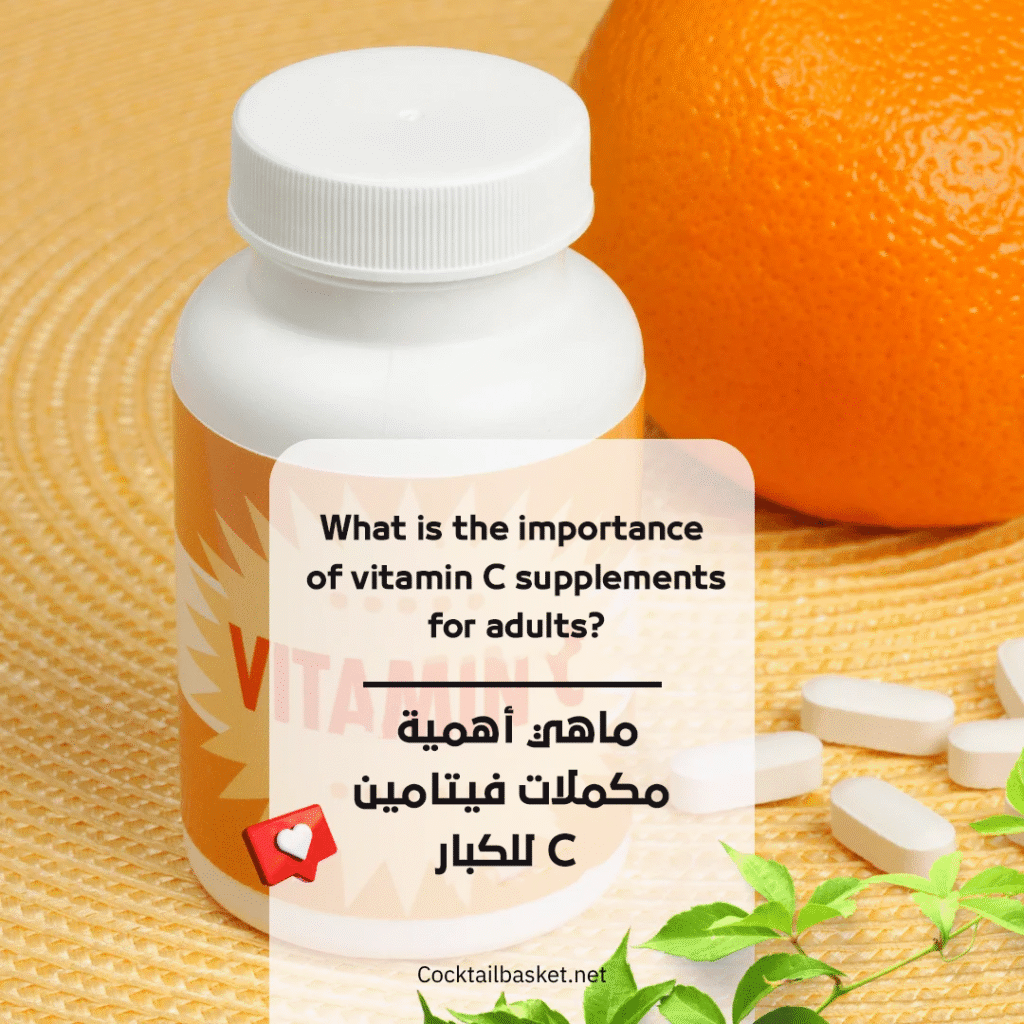
1- Why might I need a vitamin C supplement?
If your intake of vitamin-C-rich foods is low (limited fruits and vegetables), or if you have increased needs due to factors such as smoking, chronic illness, malabsorption, or a diagnosed deficiency with clinical symptoms, a supplement can help restore adequate levels and prevent deficiency symptoms such as scurvy.
2- What are the main health benefits of vitamin C?
Vitamin C is a powerful antioxidant, essential for collagen synthesis (skin, blood vessels, bones), supports the immune system, and enhances the absorption of non-heme iron from plant-based foods.
3- Does vitamin C prevent infectious diseases (such as the common cold)?
Large reviews show that regular vitamin C intake may slightly shorten the duration of common colds, but it does not completely prevent them. The strongest benefit appears in people exposed to intense physical stress (athletes or harsh conditions), where vitamin C may support recovery. It is not a substitute for general preventive measures.
4- What is the recommended daily dose of vitamin C for adults?
In many guidelines, the general recommendation is:
-
75 mg per day for women
-
90 mg per day for men
There are special recommendations for certain conditions (pregnancy, smoking, etc.). Always consult your pharmacist or physician to ensure an appropriate vitamin C dosage.
5- What is the safe upper limit for vitamin C intake? Can I take more?
The commonly accepted upper limit for adults is 2,000 mg per day. Higher doses may cause diarrhea and gastrointestinal discomfort, and long-term excessive intake may increase the risk of kidney stones in some individuals. Do not exceed the daily dose without medical advice.
6- What are the common forms of vitamin C on the market, and which is best?
Common forms include ascorbic acid, sodium/calcium ascorbate (less acidic), ascorbyl palmitate (fat-soluble derivative), and liposomal vitamin C (marketed for enhanced absorption). Effectiveness depends on dose, quality, and individual needs. Ascorbic acid remains effective and widely used.
7- Should vitamin C be taken with food or on an empty stomach?
Vitamin C is water-soluble and absorbs well with or without food. Splitting the dose with meals may reduce stomach discomfort in sensitive individuals. Taking it with fat is not necessary but acceptable.
8- Does vitamin C increase iron absorption, and is this beneficial?
Yes. Vitamin C significantly enhances the absorption of non-heme iron from food or supplements, which is beneficial in cases of iron deficiency anemia or reduced iron absorption.
9- Can vitamin C cause kidney stones?
At normal daily doses, vitamin C does not cause kidney stones. However, very high supplemental doses may increase urinary oxalate excretion and raise the risk of kidney stones in susceptible individuals. Evidence suggests a higher risk in men and certain sensitive groups. Consult your doctor if you have a history of kidney stones.
10- Is vitamin C safe during pregnancy?
Standard recommended doses are generally safe. Pregnant and breastfeeding women are usually advised to obtain adequate vitamin C through a balanced diet. Consult a healthcare professional before using high or therapeutic doses.
11- Is vitamin C suitable for children?
Children require vitamin C but at lower doses than adults. Breast milk usually meets the needs of infants, and recommended intakes for children are outlined in public health guidelines. Do not give high-dose supplements without consulting a pediatrician.
12- Does vitamin C help skin and hair health?
Vitamin C is essential for collagen production and has antioxidant benefits for the skin. Topical vitamin C has strong evidence for improving signs of aging and reducing pigmentation. Oral supplements support skin health at the cellular level but are not a replacement for topical skincare.
13- Do smokers need more vitamin C?
Yes. Smoking increases oxidative stress and depletes vitamin C levels. Smokers typically require higher vitamin C intake than non-smokers, either through diet or appropriate supplementation after consultation.
14- How do I choose a good vitamin C product? Are fruits and vegetables enough?
Start with a balanced diet rich in vitamin C sources such as oranges, red peppers, kiwi, strawberries, and broccoli.
If supplementation is needed, choose from the internationally certified vitamin C supplements available on our website. You can view product details through the following link: Vitamin C Supplements.
Always consider the dose and stay within the safe upper limit, or consult a healthcare provider for special conditions.