Blog
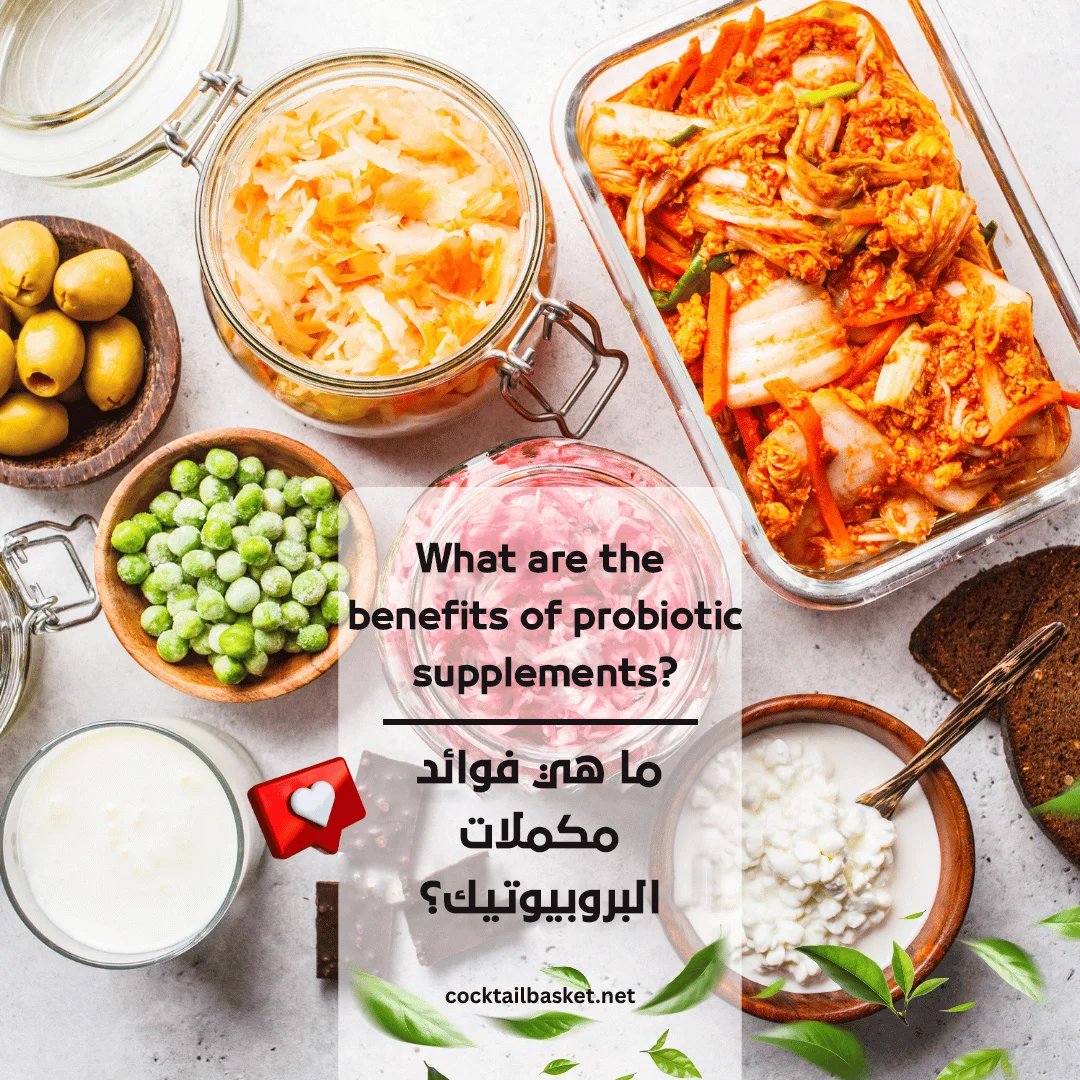
What are the benefits of probiotic supplements?

Answer These Questions to See If You Might Need a Probiotic Supplement
- Have you taken an antibiotic recently?
- Do you experience frequent digestive issues (diarrhea, constipation, gas)?
- Are you interested in supporting your immune system or looking for natural ways to improve digestion?
If your answer is “yes” to any of these questions, these are common indicators that you may benefit from supporting your gut microbiome through fermented foods or an appropriate probiotic supplement.
What Are Probiotics?
Probiotics are live microorganisms—usually beneficial bacteria or yeasts—given in adequate amounts to provide health benefits to the host. They come from fermented foods (such as yogurt, kefir, unprocessed pickles) or can be taken as supplements (tablets, capsules, liquids).
How Do Probiotic Supplements Work?
Probiotics support the gut in several integrated ways:
- Occupying “space” in the intestines to limit the growth of harmful bacteria.
- Producing beneficial compounds (such as short‑chain fatty acids) that improve gut lining health.
- Interacting with the local immune system to provide calming or activating immune signals as needed.
- Improving microbiome balance, which supports better digestion and nutrient absorption.
What Are the Benefits of Probiotic Supplements?
1. Preventing and reducing antibiotic‑associated diarrhea Reviews and summaries show that certain probiotic strains reduce the likelihood and duration of diarrhea caused by antibiotics.
2. Reducing infectious diarrhea in infants and children Clinical evidence shows shorter duration and reduced severity of diarrhea with specific strains.
3. Improving symptoms of Irritable Bowel Syndrome (IBS) Selected strains may help reduce gas, bloating, and sometimes abdominal pain in certain patients.
4. Improving chronic constipation Some groups benefit from improved bowel movement regularity.
Who May Benefit From Probiotic Supplements?
- Individuals after a course of antibiotics
- Children with infectious diarrhea (under medical guidance)
- Some IBS patients
- People with chronic constipation or persistent bloating when trying specific strains
Probiotics or Fermented Foods — Which Should You Choose?
Fermented foods (natural yogurt, kefir, unprocessed pickles, kimchi) provide natural probiotics along with beneficial fibers and prebiotics. For generally healthy individuals, improving dietary diversity and natural sources is often preferred over relying solely on supplements.
However, supplements are useful in specific situations (after antibiotics, or when a targeted, clinically studied strain is needed).
Medical and Scientific Sources
- NCCIH — Probiotics: Usefulness and Safety
- World Gastroenterology Organisation (WGO): Global Guideline on Probiotics and Prebiotics