Calcium is not just a mineral that “builds bones.” It is a key player in muscle contraction, nerve signal transmission, heart rhythm regulation, and many essential cellular functions. When dietary intake of calcium-rich foods is insufficient, calcium supplements can play an important supportive role.
In this article, we answer the most common questions about calcium supplements in a clear and practical way.
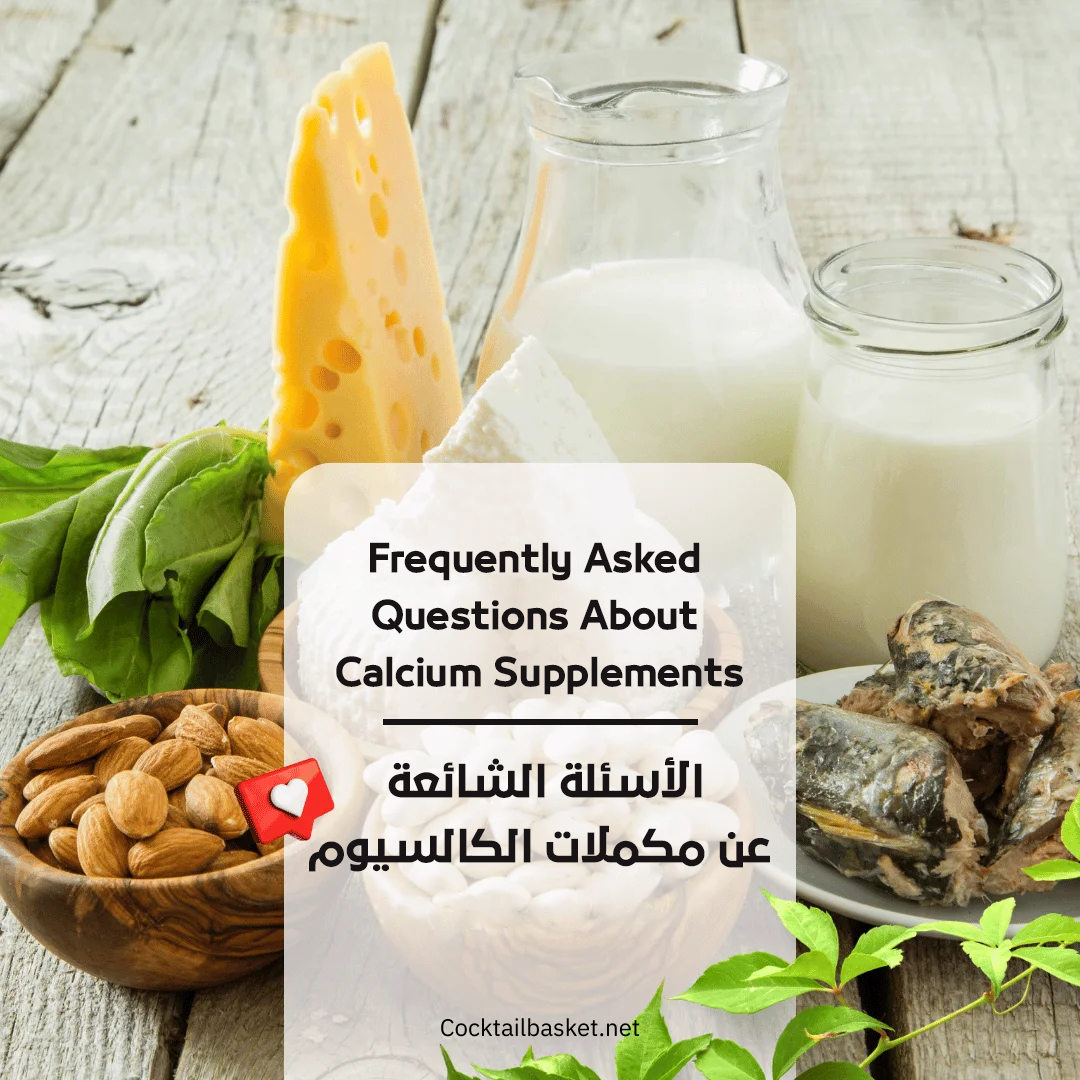
Frequently Asked Questions About Calcium Supplements
1- When do I need calcium supplements?
You may need calcium supplements if your daily diet does not meet recommended requirements (low intake of dairy or fortified alternatives), or if you are at higher risk of deficiency—such as older adults, individuals with impaired absorption, vegetarians/vegans, or during pregnancy and breastfeeding based on medical advice. The best decision is made after estimating dietary intake or undergoing medical evaluation when needed.
2- How much calcium do I need per day?
Commonly followed recommendations are:
-
1,000 mg/day for adults aged 19–50 years
-
1,200 mg/day for women over 50 and men over 70
These values include total calcium intake from both food and supplements combined.
3- What is the safe upper limit for calcium?
The commonly accepted upper limits are:
-
2,500 mg/day for adults aged 19–50
-
For adults over 50, a more conservative upper limit of ~2,000 mg/day is often recommended
These limits apply to calcium from all sources (diet + supplements). Do not exceed them without medical supervision.
4- Is it better to get calcium from food or supplements?
Food sources are preferred because they provide additional nutrients that support overall health. Supplements should be used only to cover dietary gaps after calculating intake or following medical advice.
5- When should I take calcium—morning or evening?
It is best to divide doses into portions of ≤500 mg per dose, as absorption decreases with higher single doses.
6- Should calcium be taken with vitamin D?
Yes. Vitamin D enhances intestinal absorption of calcium, and many osteoporosis guidelines emphasize the importance of ensuring adequate intake of both nutrients—through diet or supplements—for optimal bone health.
7- Can calcium supplements cause side effects?
Common side effects are usually mild and include constipation or bloating. Excessive or long-term high doses may lead to hypercalcemia, with symptoms such as nausea, frequent urination, weakness, and heart rhythm disturbances. Consult a doctor if you experience concerning symptoms.
8- Should I test blood calcium levels before starting supplements?
Not necessary for everyone. However, if there is a history of hypercalcemia, parathyroid or thyroid disorders, or kidney disease, testing before starting supplementation and periodic monitoring is advisable.
9- Do calcium needs change during pregnancy and breastfeeding?
Requirements may increase, but most guidelines recommend meeting needs primarily through diet first, using supplements only when intake is insufficient or as advised by a physician. Other nutrients such as folate and prenatal vitamins may also be recommended.
10- Are calcium supplements alone effective in preventing osteoporosis?
Calcium supports bone health, but its role in fracture prevention is clearer when combined with vitamin D and a healthy lifestyle—such as weight-bearing exercise, avoiding smoking, and balanced nutrition. Evidence suggests greater benefit in individuals with low dietary calcium intake.
11- What should I do if I miss my daily dose?
Take it when you remember, unless it is close to the time of your next dose. Do not double the dose to make up for a missed one. Continue dividing doses (≤500 mg per serving) if needed.
12- Are there dietary alternatives or ways to improve calcium absorption without supplements?
Yes. Calcium-rich foods include cheese, yogurt, sardines, salmon, dark leafy greens, and fortified foods. Ensure adequate vitamin D intake (through diet, safe sun exposure, or supplements), as it significantly improves calcium absorption. Resistance and weight-bearing exercises also help maintain bone density.
13- How do I choose a good calcium supplement?
Look for:
On our website, we offer internationally certified calcium supplements. You can view product details through the following link: Calcium Supplements for the Body.
Final Notes
Calcium supplements can be a helpful tool to correct a clear deficiency or support osteoporosis management, but they are not a universal solution for everyone. Start by estimating your dietary intake, consult your healthcare provider if you take medications or have endocrine conditions, and follow proper dosing principles (dose splitting, choosing the right form, and combining with vitamin D).
Medical References: