
Blog
Frequently Asked Questions About Zinc Supplements

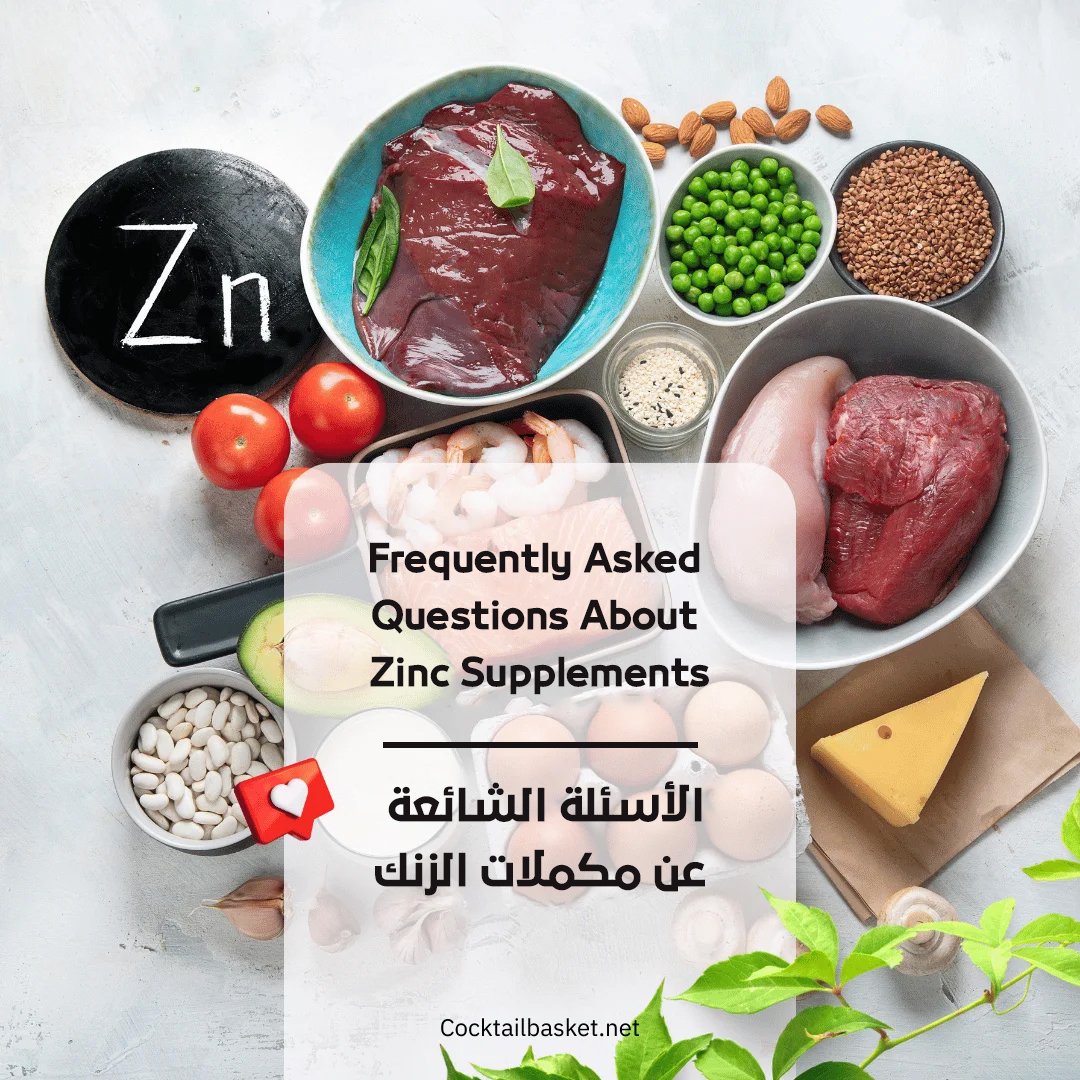
Zinc is a small mineral with a big impact. It participates in more than 300 enzymatic reactions in the body; supports the immune system, accelerates wound healing, aids metabolism and protein synthesis, influences taste and smell, and contributes to child growth and reproductive health.
For these reasons, zinc supplements are used when needed to correct deficiency or to support specific health conditions. In this article, we answer the most common questions about zinc supplements in a clear and practical way.
Frequently Asked Questions About Zinc Supplements
1- What are zinc supplements?
Zinc supplements are products that provide the body with zinc in different forms (such as zinc gluconate, zinc acetate, zinc sulfate, zinc citrate, or zinc picolinate). They are taken orally to treat or prevent zinc deficiency or as part of specific medical protocols.
2- Why is zinc important for our health?
Zinc is essential for healthy immune function, DNA and protein synthesis, wound healing, growth and development in children and adolescents, and taste and smell. Deficiency often shows quickly on the skin, hair, wound healing, and immunity.
3- Who usually needs zinc supplements?
People with malabsorption conditions (such as Crohn’s disease or after intestinal surgery), strict vegetarians/vegans (lower absorption due to phytates), older adults, individuals with chronic diarrhea, and infants or children in low-nutrition settings. Zinc is also used in therapeutic protocols for specific conditions (for example, childhood diarrhea in developing countries).
4- Does zinc help immunity and the common cold?
Research results are mixed. Clinical evidence suggests that certain forms and doses of zinc (such as zinc acetate or zinc gluconate lozenges taken at the onset of cold symptoms) may shorten symptom duration in some people. However, results vary depending on the form, dose, and timing of use.
5- What are the recommended daily intakes (RDA) and the upper limit (UL)?
Values vary by age, sex, and pregnancy status. For adults, the RDA is approximately 8 mg/day for women and 11 mg/day for men. The commonly accepted upper limit (UL) for adults from all sources is 40 mg/day to avoid long-term toxicity.
6- What are the symptoms of zinc deficiency?
Common signs include slow wound healing, hair loss, loss of appetite, impaired taste or smell, increased susceptibility to infections, and diarrhea in children. Severe deficiency can affect growth and sexual development.
7- When should I take zinc supplements? (With or without food)
Zinc sulfate or gluconate may cause stomach upset in some people if taken on an empty stomach. Taking zinc with a light meal can reduce discomfort. However, foods high in phytates (such as whole grains) can reduce zinc absorption. It is often best to balance meals or separate zinc intake from iron or calcium supplements when needed.
8- Is zinc safe during pregnancy and breastfeeding?
Zinc is important during pregnancy and breastfeeding to support fetal and infant growth. The usual doses found in prenatal vitamins are considered safe. Higher doses should only be used under medical supervision.
9- Does zinc help with wound healing and skin health?
Yes. Zinc plays a role in blood clotting and cellular repair. Zinc supplements (or topical zinc formulations) are commonly used when deficiency is present or in cases of delayed wound healing.
10- Do vegetarians need more zinc?
Vegetarians—especially those consuming large amounts of unsoaked grains and legumes (high in phytates that inhibit absorption)—may need to monitor zinc intake, consider supplementation, or improve food preparation methods (soaking, sprouting, or fermenting) to enhance absorption.
11- How do I choose a good zinc supplement?
Look for the form of zinc (gluconate, acetate, glycinate, picolinate), the amount of elemental zinc (mg) per serving, clear labeling, and a trusted manufacturer.
On our website, we offer internationally certified zinc supplements. You can view product details through the following link: Zinc Supplements.