
Blog
Do dietary supplements support health?

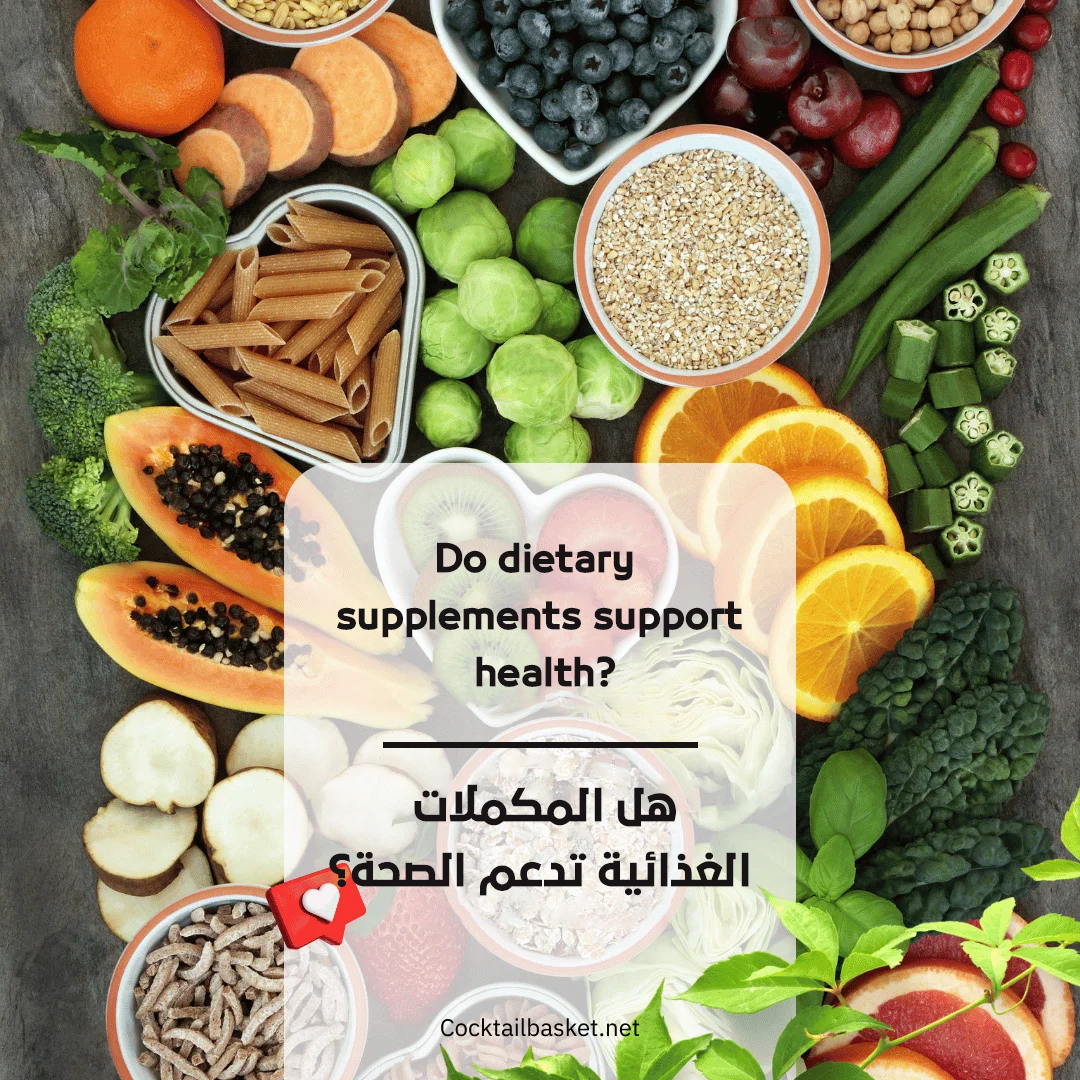
In our busy daily lives, getting all the required nutrients from food alone can be challenging—especially with work stress, aging, or restrictive eating patterns. This is where dietary supplements come in: they are complementary tools that help fill nutritional gaps, support the immune system, maintain bone and muscle health, and improve energy levels and cognitive function when needed.
However, supplements are not a replacement for healthy food; rather, they play a supportive role when a deficiency or special need is identified.
How Do Dietary Supplements Support Health?
Supplements typically work in one or more of the following ways:
-
Correcting a specific deficiency (such as Vitamin D or Vitamin B12)
-
Supporting specific body functions (such as Omega-3 for inflammation and heart health)
-
Improving recovery and muscle mass (such as protein or oral nutritional supplements)
That said, scientific evidence varies depending on the type of supplement, the health condition, and individual differences.
Key Dietary Supplements and Their Role in Supporting Health
1. Vitamin D – Bone, Muscle, and Immune Support
What it does:
Vitamin D helps with calcium absorption, supports bone and muscle health, and plays a role in regulating immune responses.
Who benefits?
People with limited sun exposure, older adults, or those with low 25-OH-D levels.
Important note:
Before starting supplementation, it is preferable to test vitamin D levels to determine the appropriate dose, or consult your pharmacist or doctor.
Explore Vitamin D supplements: Vitamin D supplements
2. Vitamin B12 – Nerve and Brain Health
What it does:
Vitamin B12 is essential for red blood cell production and nerve health. Deficiency can cause fatigue, numbness, and sometimes cognitive disturbances.
Who benefits?
Older adults, vegetarians, and people using medications that reduce stomach acid.
Recommendation:
Test B12 levels and correct deficiency with oral supplements.
3. Calcium – Bone Strength and Structure
What it does:
Calcium is a key component of bones and teeth and works alongside vitamin D to maintain bone density.
Who benefits?
Individuals with insufficient dietary intake or those with osteoporosis.
Caution:
Food sources should be prioritized first; supplements are recommended only when needed and at appropriate doses.
Explore calcium supplements: Calcium supplements
4. Iron – Energy and Oxygen Transport
What it does:
Iron is essential for hemoglobin production. Deficiency leads to anemia and reduced energy levels.
Who benefits?
Individuals with low ferritin levels or chronic blood loss.
Warning:
Do not take iron supplements without testing, as excess iron can be harmful.
5. Omega-3 (Fish Oils: EPA & DHA) – Heart, Brain, and Inflammation Support
What it does:
Omega-3 fatty acids help reduce inflammation, support heart health, and may enhance brain function in certain populations.
Who benefits?
People who do not regularly consume fatty fish, or those with inflammatory conditions or specific cardiovascular risk factors.
6. Protein and Nutritional Supplements – Preserving Muscle Mass
What they do:
Provide essential amino acids for muscle building and tissue repair, especially important for older adults and those recovering from illness.
Who benefits?
Malnourished individuals or those not getting enough protein from food.
7. Zinc – Immunity and Healing
What it does:
Zinc supports immune function, wound healing, and taste perception.
Who benefits?
People with confirmed zinc deficiency or delayed wound healing.
Caution:
Stick to doses that match your needs and consult a pharmacist or doctor, as high doses may interfere with copper absorption.
Explore zinc supplements: Zinc supplements
8. Balanced Multivitamins
What they do:
Multivitamins provide broad coverage of vitamins and minerals when meals are incomplete.
Where they help—and where they don’t:
They may benefit individuals with limited or poor diets but should not replace a balanced, healthy eating pattern.
9. Probiotics and Fiber – Gut Health Support
What they do:
Help improve gut microbiome balance, alleviate some digestive issues, and may positively affect immune health.
Who benefits?
Individuals with digestive disorders or those recovering from antibiotic use.
Dietary supplements can be a powerful ally for your health when used wisely—to correct proven deficiencies, support specific functions (bones, immunity, energy), or enhance overall quality of life. The smartest first step is a simple medical check-up, followed by choosing reliable supplements that match your individual needs.
At Cocktail Basket, we’ve curated a high-quality selection of dietary supplements to help you support your health safely and effectively—start today.